Language learning for kids 4+, teens and parents

Make their screen time count.

Wikapop turns films, stories and this week's school words into language practice. The next day it checks what each child remembered, and adapts how it teaches them.

You set the screen timeHosted in ZurichApp in English, French, German
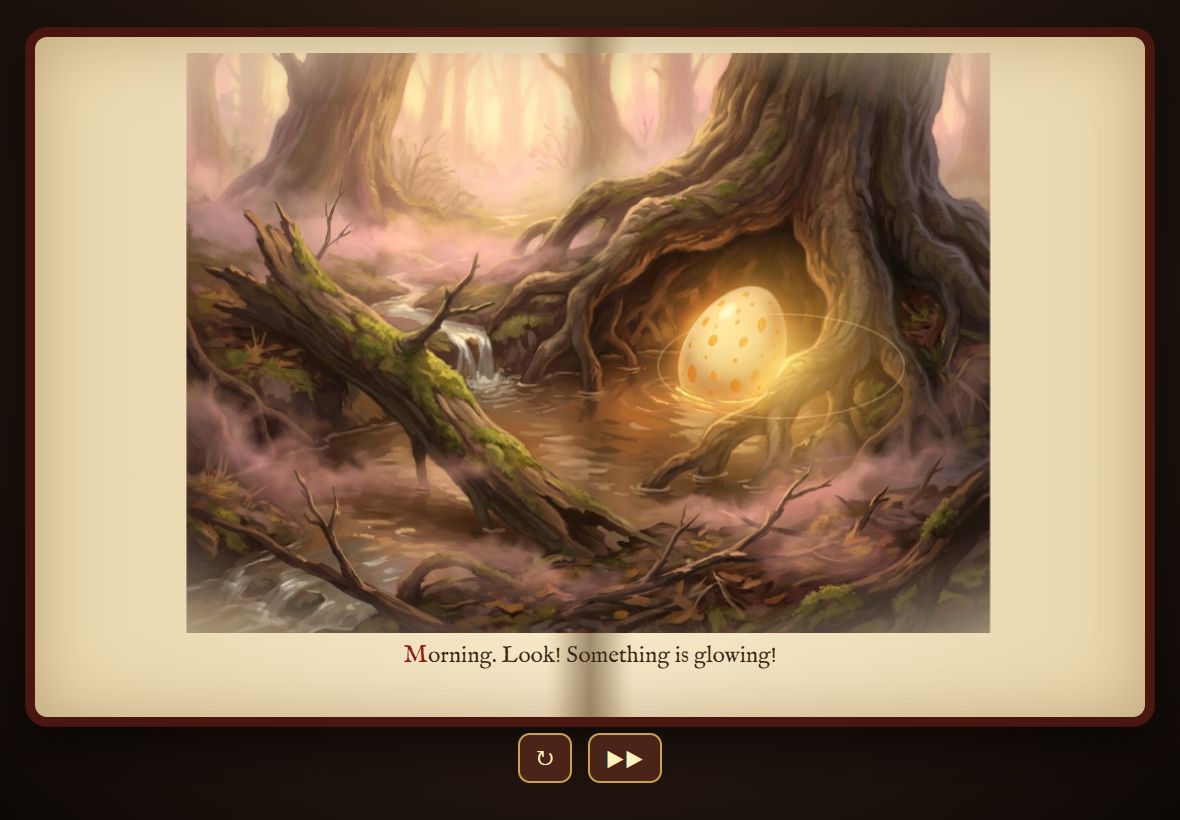
Painted storybook page: a glowing dragon egg hidden in a hollow tree
Kids · Little KnightSomething is glowing…Every adventure starts as a painted story your child plays through, page by page.
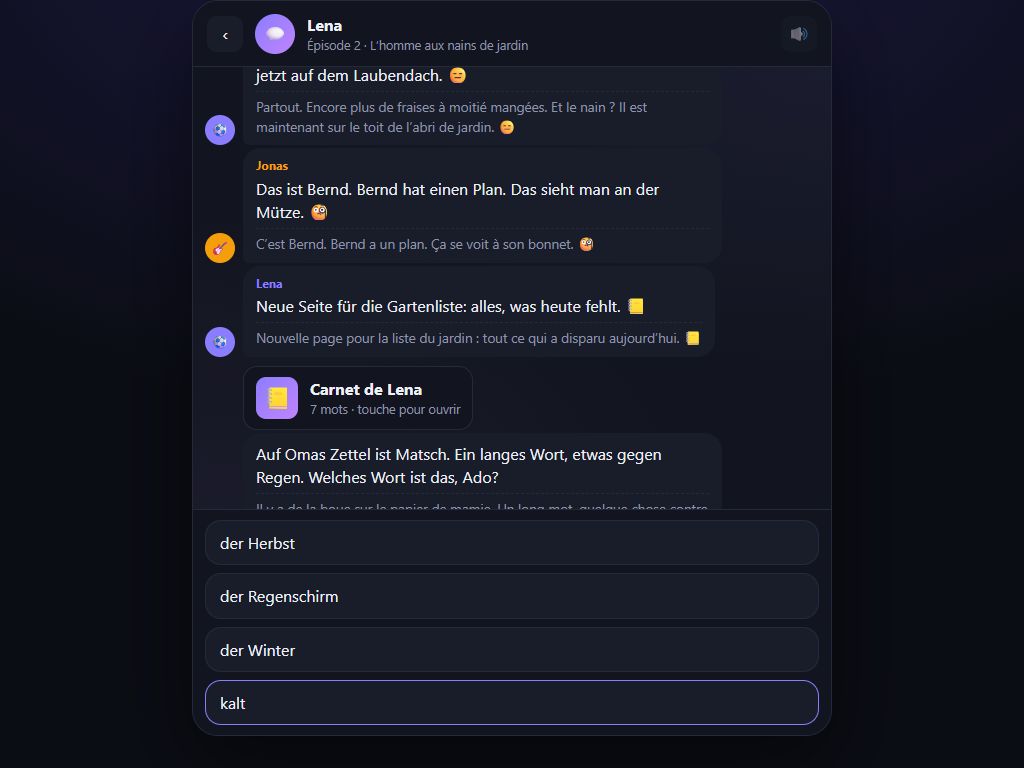
A mystery told as a phone chat, where the teen answers with the week's words
Teens · SIGNALThe words are the cluesA mystery told through a phone chat, built on this week's school list.
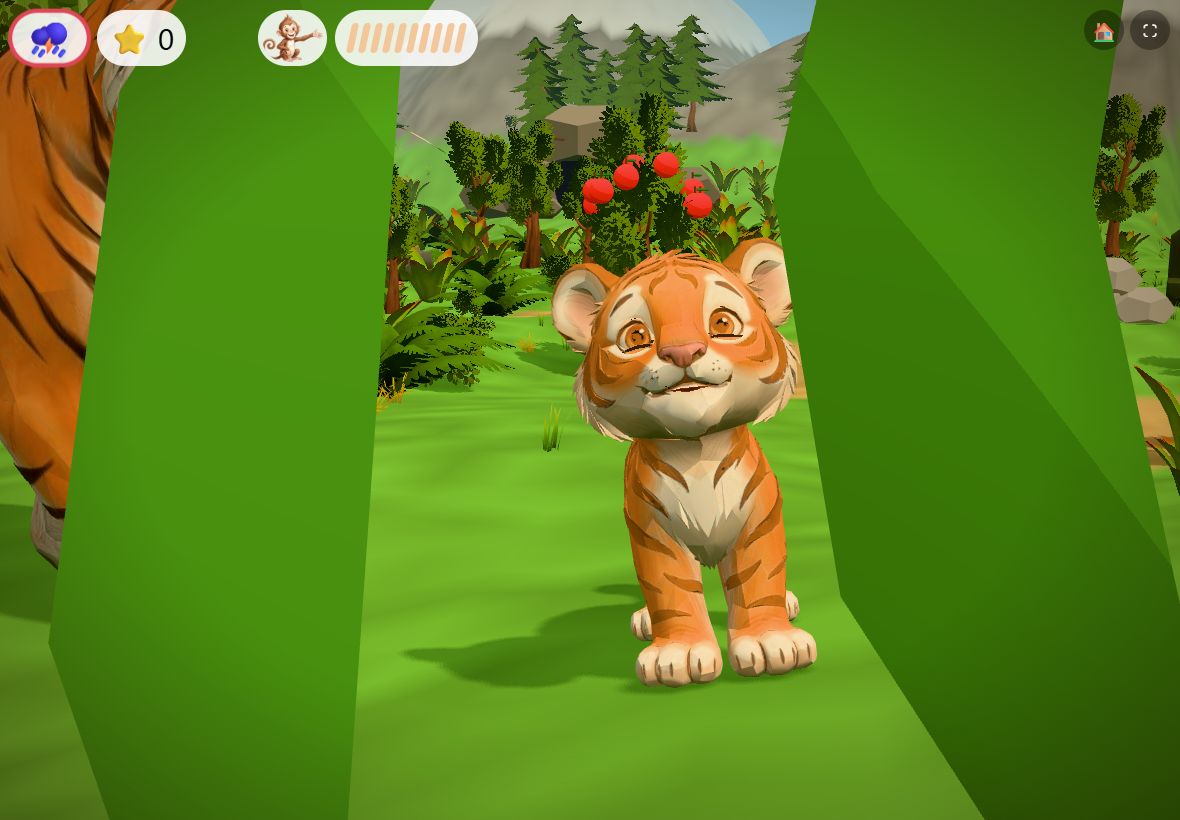
Little Tiger standing in a 3D jungle
Kids · Little TigerGrow up with Little TigerA 3D adventure in episodes. Your child plays each one and learns the words of daily life along the way.
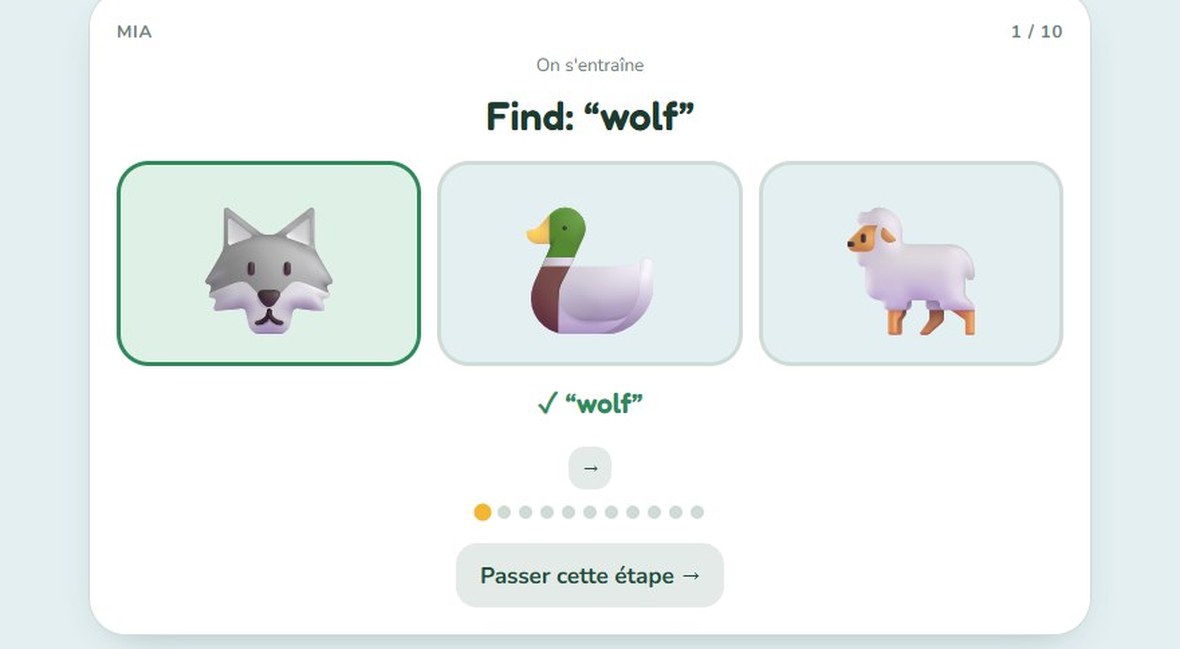
Word game: find the wolf among three pictures; the wolf is picked in green
Kids · Word gamesHear it, find itAfter the story, your child finds each new word among the pictures.
Everyone · FilmsFilms, your wordsPick a film from our library of free-to-share films and cartoons. Each viewer gets the words for their level, and a quick game while they watch.
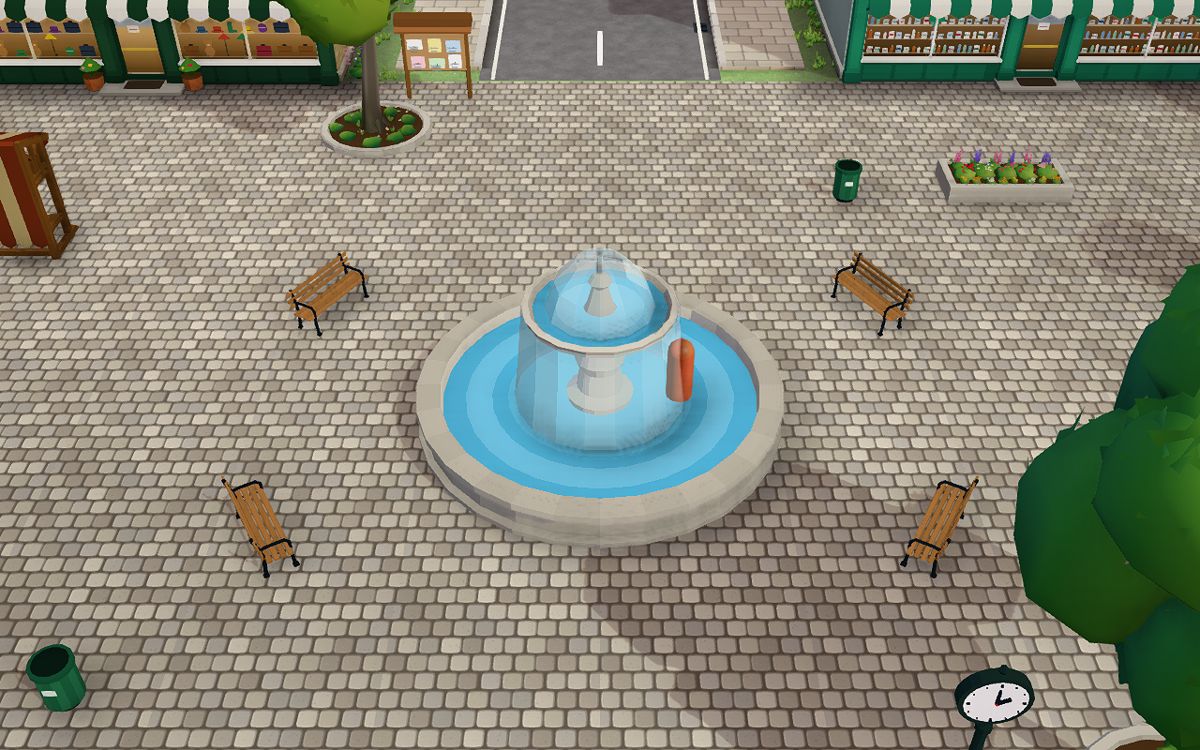
A 3D town square with a fountain, benches and shops
Teens · The CityA town to exploreThe words of every week live in real places: the café, the shops, the square.
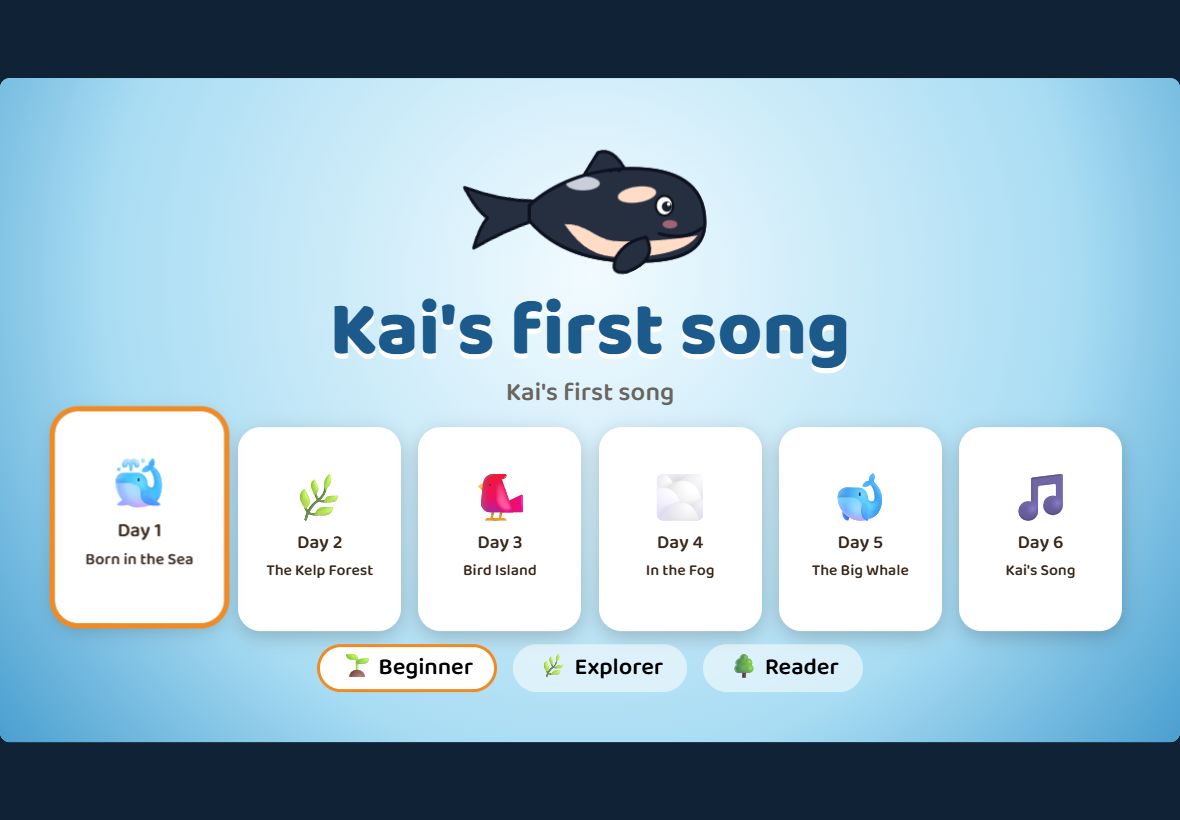
Kai's first song: a six-day picture book with Beginner, Explorer and Reader levels
Kids · Picture booksA new story, new wordsKai the orca's six-day story. No word is repeated from one book to the next.
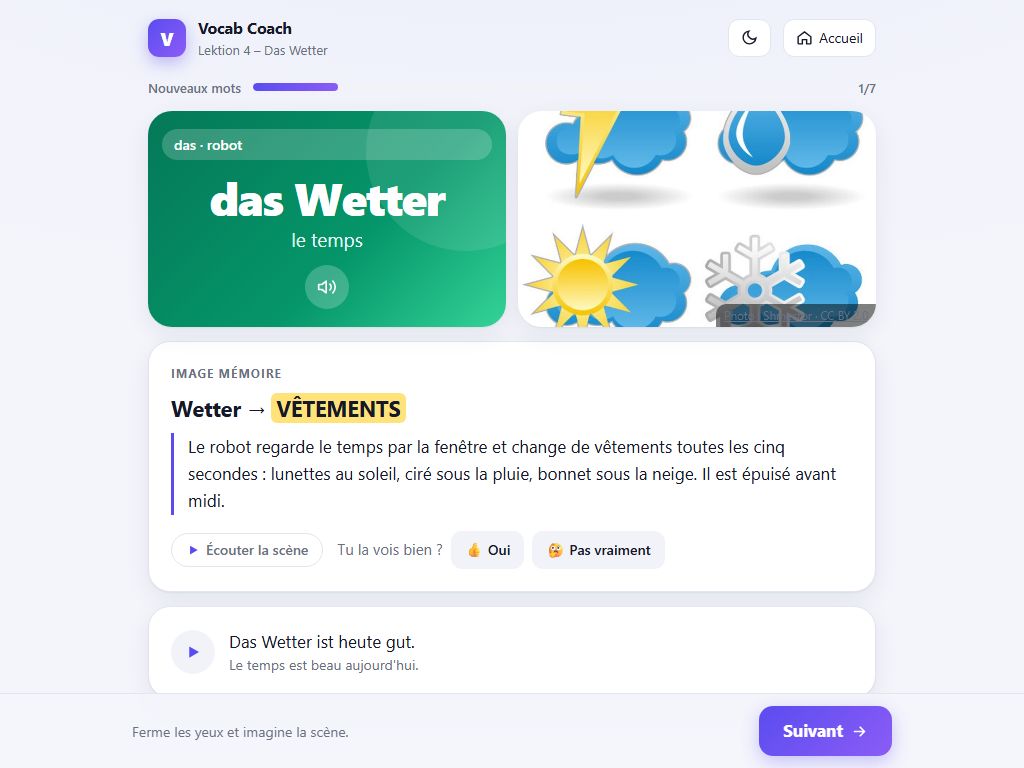
Vocab Coach word card: das Wetter, with pictures and a memory story
Teens · Vocab CoachA memory hook for every wordA picture and a short, funny story help each word come back when it's needed.
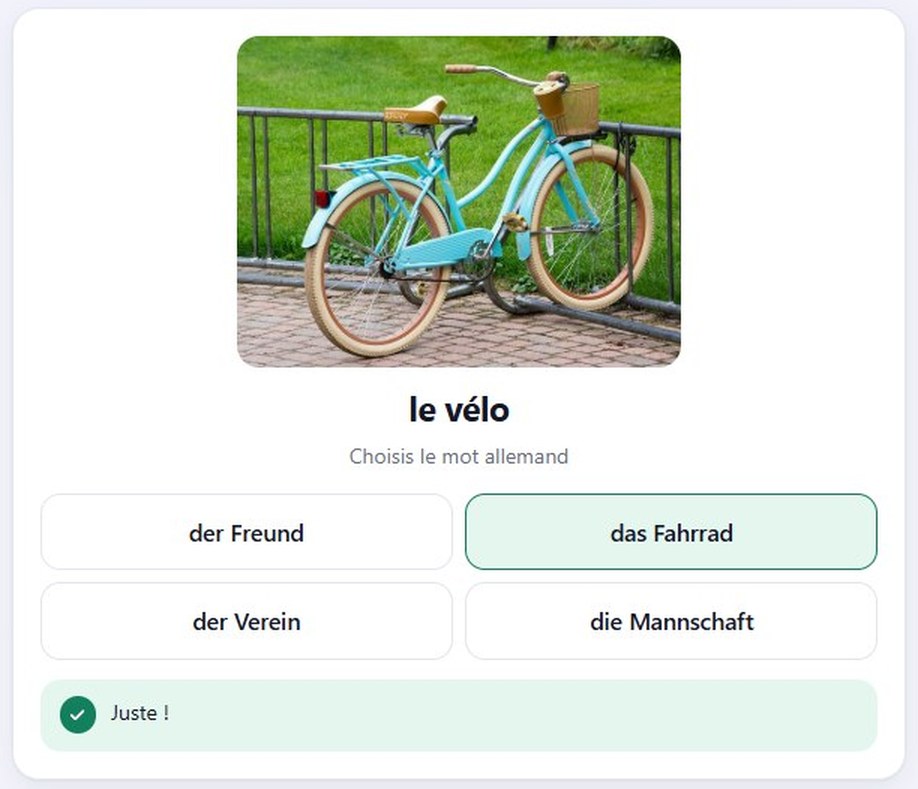
Vocab Coach practice: a bicycle, le vélo, with das Fahrrad picked correctly
Teens · Vocab CoachPractise your own listThe words from this week's school list, one by one, with an answer straight away.
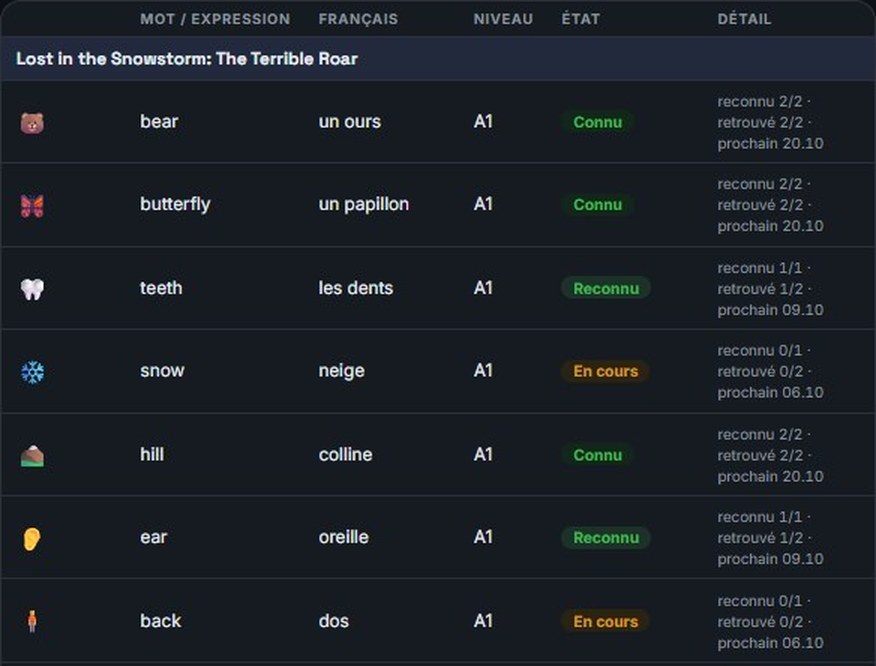
Progress screen: each word marked known, recognised or in progress, with the date it comes back
Everyone · ProgressWhat stuck, and what comes backWikapop checks each word again on later days and shows which words are known and when each one comes back.
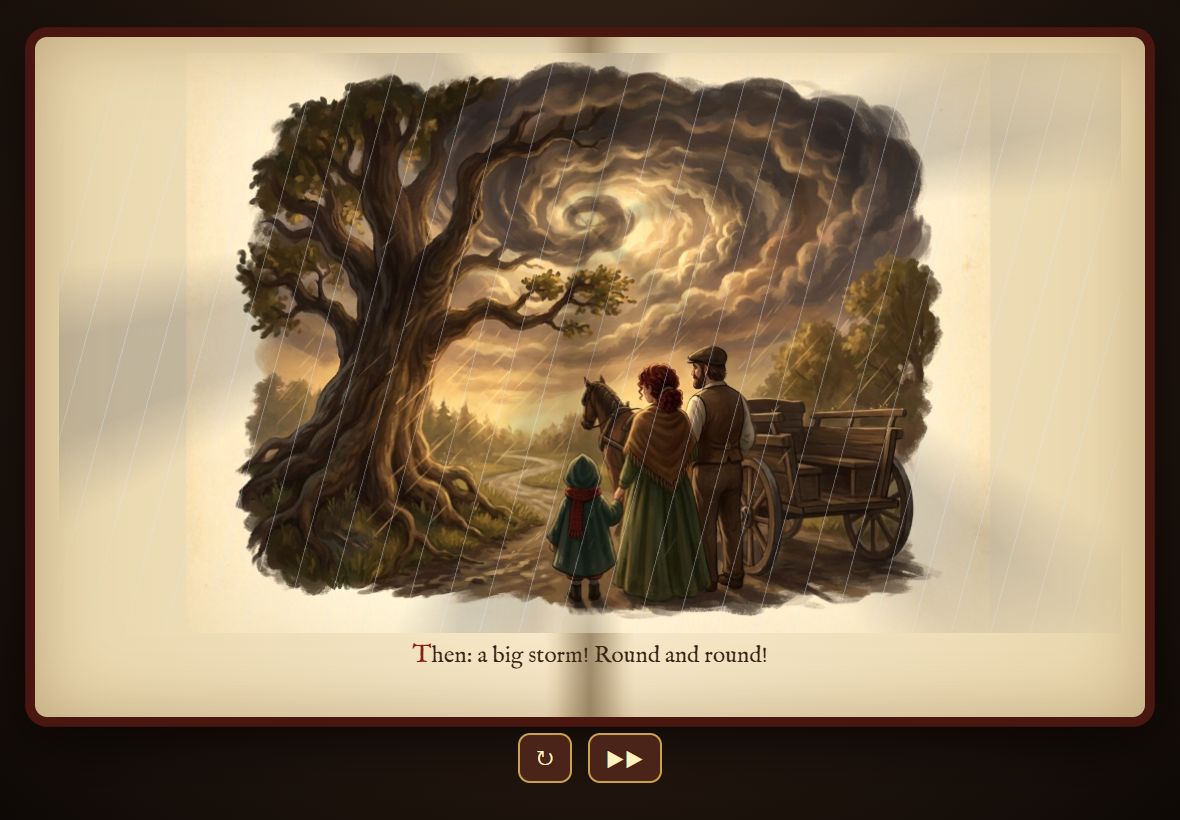
Painted storybook page: a family with a cart under a swirling storm
Kids · Little KnightOne short sentence a pageBig pictures and a natural voice let even beginners follow the story.
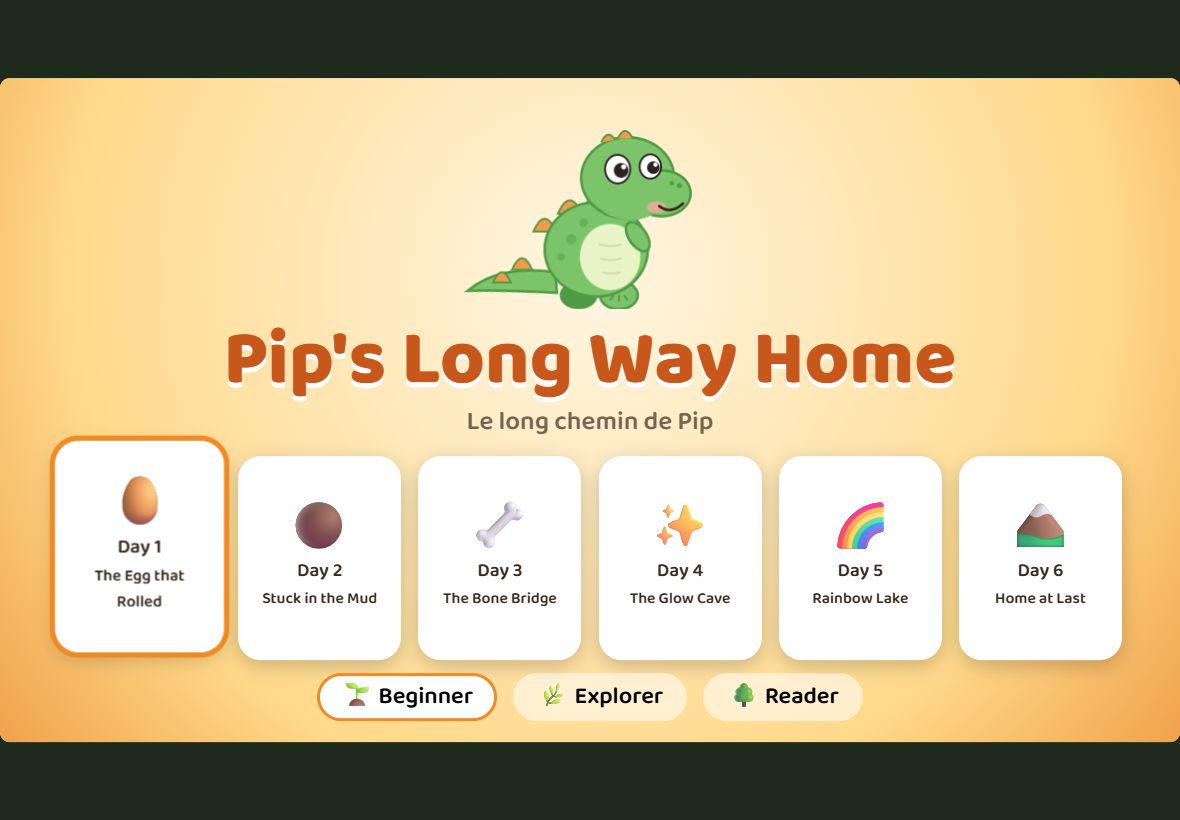
Pip's Long Way Home: six days with three levels
Kids · Picture booksThree levels in every storyBeginner, Explorer or Reader: 5, 8 or 12 new words a day, so a favourite story is worth replaying.

Real screens from the pilot app. Kids, teens and films are in every package, for 1 to 5 learners.

What makes Wikapop unique

Not about talent. About finding the way that works for your child.

Built so learning feels like play. Behind the fun, Wikapop checks what your child remembers without hints, the next day and a week later, and adapts how it teaches.

For teens

This week's school words. This week's adventure.

Your teen takes a photo of this week's vocabulary list. The Vocab Coach guides them through the words step by step. Then Wikapop builds games and real-life scenes around them, so practising for school becomes fun and shows why the language matters.

Wikapop remembers what works for your teen and where they struggle, so their time goes where it counts most.

For kids 4+

Stories they ask for. Words they keep.

Your child joins Little Tiger, Pip, Kai and a baby dragon in interactive stories: they tap, answer, and choose which way the story goes. Each story brings a few of the most useful words, at their level, and a new story always means new words.

Wikapop remembers which words your child misses and how they learn best, and brings those words back first. Nobody gets stuck: first a hint, then a helping hand, then "let's do it together".

For parents

A film tonight. New words with it.

Pick a film from our library of free-to-share films and cartoons. Wikapop picks the words that fit your level: you meet them first, play a quick game while you watch, and answer a few story questions at the end. Watch again and you get the next words. Wikapop remembers every word you have already learned, so each new film brings only new words.

From the same app, you see what each child remembers and which words still resist.

How a word sticks

Every new word climbs the same steps, at your child's pace.

  1. See & heara picture and a voice
  2. Remembera short memory story
  3. Pickchoose the right answer
  4. Recallfind the word alone
  5. Speakuse it in a sentence
Then Wikapop checks Next day ✓ A week later ✓ Missed words first ↻ More of what works for your child
What they learn from
Our film libraryFree-to-share films and cartoons, with words for each level.
Our storiesNew story, new words. Several levels to replay.
Never passive listening

Their choices change the story.

Every story is interactive. Children and teens tap, answer, speak and decide what happens next, and the story unfolds differently each time. They need the language to move forward.

Ways to practise
  • Watch
  • Listen
  • Speak
  • Explore
  • Solve
  • Read
  • Write
Learn, rehearse, level up

Every word they meet, ready to play again.

Beyond the stories, Wikapop has its own space to learn and rehearse words. Kids win things for their companion. Teens get ready for the test their way.

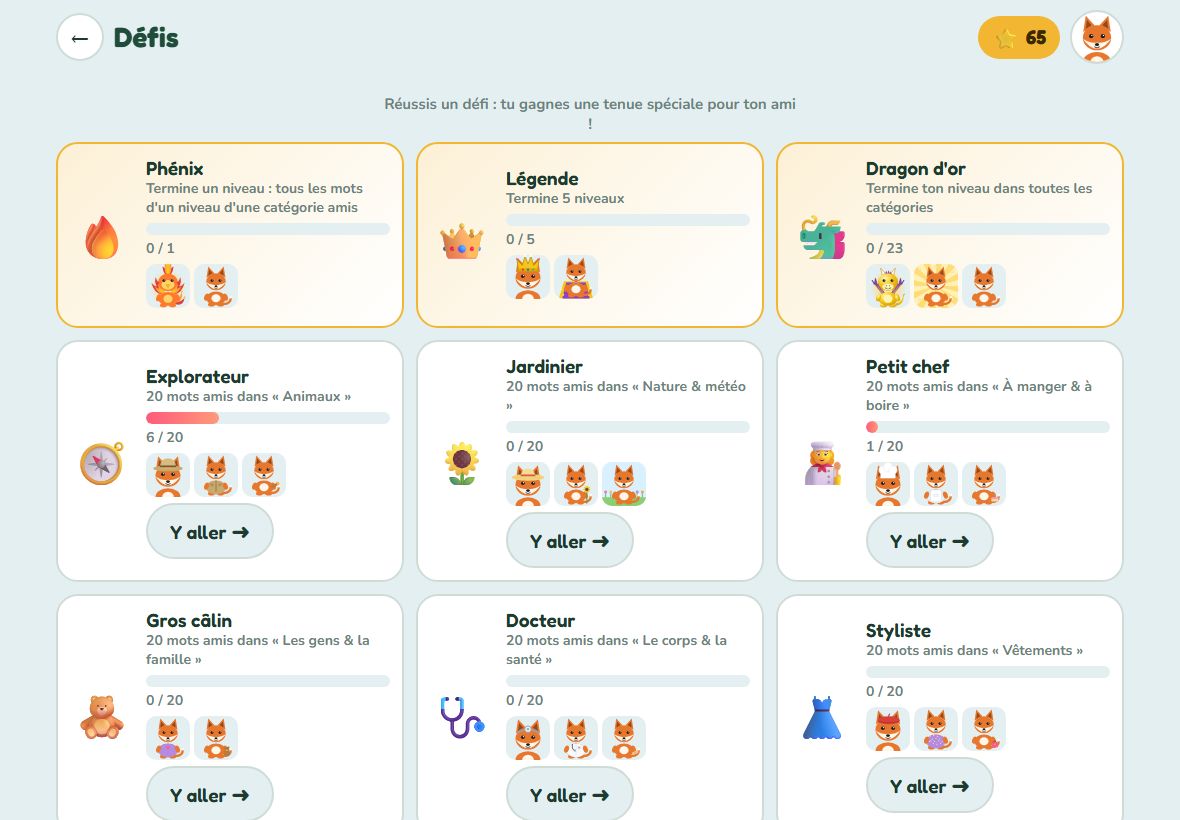
Challenges screen: Phoenix, Legend, Golden Dragon, Explorer, Gardener, Little Chef, each with outfits for the fox companion
For kids 4+

Challenges that dress up their friend

  • My wordsEvery word they've met, sorted by theme: animals, food, the body, clothes.
  • Quick gamesBubbles, Good ears, Memory, the 45-second race. A few minutes of real practice.
  • ChallengesLittle Chef, Explorer, Golden Dragon… Each one won gives their fox friend a new outfit.
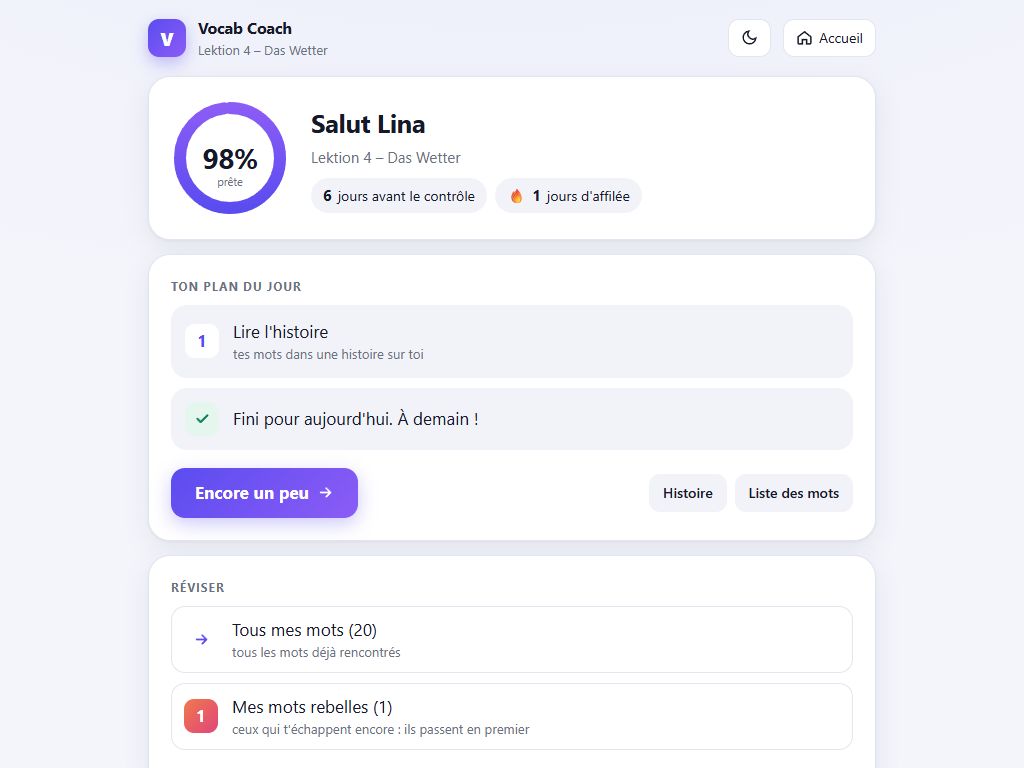
Vocab Coach home: 98% ready, 6 days before the test, today's plan, all my words and my rebel words
For teens

Ready for the test, their way

  • How ready am I?A clear score and the days left before the test, with a short plan for today.
  • Rebel words firstRehearse all their words, or only the ones that still escape them.
  • A hero who growsA weekly goal earns clothes and room items for their character in the town.
For parents

You stay in charge. We do the teaching.

Wikapop is meant to replace screen time that teaches nothing, not to add more of it.

Screen time you set

Choose the minutes per session for each child. When time is up, the app locks until a grown-up adds more.

Learning without the screen

Audio-only mode for the car or bedtime: stories and words by ear, with answers spoken aloud.

See what they remember

What each child still knows the next day and a week later, the words that resist, and the ways of learning that work best for them.

Private and Swiss-hosted

Your family's data is stored on AWS in Zurich. Children's names are replaced with placeholders before anything goes to an AI, and no AI service may train on your data.

Built on learning science

Fun on the outside. Memory research on the inside.

Wikapop was designed by a psychologist. Each step a word goes through follows one of the best-tested findings on how people learn and remember.

Spaced reviews

The next day, then a week later

Words reviewed over growing gaps are remembered far longer than words crammed in one go. Sleep helps too: new words settle into memory overnight. That is why Wikapop checks the next day and a week later.

Cepeda et al., 2006 · Dunlosky et al., 2013 · Dumay & Gaskell, 2007

Retrieval practice

Finding the word beats rereading it

Pulling a word out of memory strengthens it much more than seeing it again. So children don't just look at words: they pick them, then find them alone. When they are stuck, help comes in small steps and steps back as they succeed.

Roediger & Karpicke, 2006 · Karpicke & Roediger, 2008 · Wood, Bruner & Ross, 1976

Picture, word, memory story

Two ways in, and a hook that lasts

A picture shown together with the word and its translation teaches better than either alone. A short memory story gives a quick first hook. On its own, such a hook fades within days, so Wikapop always follows it with pictures and recall checks, which make it last.

Zhang, Sala & Gobet, 2025 · Wang & Thomas, 1995 · Thomas & Wang, 1996

Saying it aloud

Words you say, you keep

Words spoken aloud are remembered better than words read silently. That is why every word ends with speaking: saying it, then using it in a sentence.

MacLeod et al., 2010

Practice in context

Words used in real situations, again and again

Words stick when learners need them to do something: answer, choose, build a sentence. Each new meeting in a different story, scene or film adds to what they know. So every word comes back in new situations, not just on a list.

Yanagisawa & Webb, 2021 · Uchihara et al., 2019 · Peters & Webb, 2018 · Montero Perez et al., 2013

Stories and motivation

Stories they want to continue

Curiosity about what happens next helps the brain store what comes with it. Children learn more words when they take part in a story than when they only listen, and real choices raise their motivation. In Wikapop they decide where the story goes, and they need the words to get there.

Gruber et al., 2014 · Mol, Bus & de Jong, 2009 · Patall et al., 2008 · Ryan & Deci, 2000

These findings come from published research. Wikapop itself has not yet been tested in a scientific study. What we do measure, for every child, is what they still remember the next day and a week later.

References
  1. Cepeda, N. J., Pashler, H., Vul, E., Wixted, J. T., & Rohrer, D. (2006). Distributed practice in verbal recall tasks: A review and quantitative synthesis. Psychological Bulletin, 132(3), 354–380. doi.org/10.1037/0033-2909.132.3.354
  2. Dumay, N., & Gaskell, M. G. (2007). Sleep-associated changes in the mental representation of spoken words. Psychological Science, 18(1), 35–39. doi.org/10.1111/j.1467-9280.2007.01845.x
  3. Dunlosky, J., Rawson, K. A., Marsh, E. J., Nathan, M. J., & Willingham, D. T. (2013). Improving students’ learning with effective learning techniques. Psychological Science in the Public Interest, 14(1), 4–58. doi.org/10.1177/1529100612453266
  4. Gruber, M. J., Gelman, B. D., & Ranganath, C. (2014). States of curiosity modulate hippocampus-dependent learning via the dopaminergic circuit. Neuron, 84(2), 486–496. doi.org/10.1016/j.neuron.2014.08.060
  5. Karpicke, J. D., & Roediger, H. L. (2008). The critical importance of retrieval for learning. Science, 319(5865), 966–968. doi.org/10.1126/science.1152408
  6. MacLeod, C. M., Gopie, N., Hourihan, K. L., Neary, K. R., & Ozubko, J. D. (2010). The production effect: Delineation of a phenomenon. Journal of Experimental Psychology: Learning, Memory, and Cognition, 36(3), 671–685. doi.org/10.1037/a0018785
  7. Mol, S. E., Bus, A. G., & de Jong, M. T. (2009). Interactive book reading in early education: A tool to stimulate print knowledge as well as oral language. Review of Educational Research, 79(2), 979–1007. doi.org/10.3102/0034654309332561
  8. Montero Perez, M., Van Den Noortgate, W., & Desmet, P. (2013). Captioned video for L2 listening and vocabulary learning: A meta-analysis. System, 41(3), 720–739. doi.org/10.1016/j.system.2013.07.013
  9. Patall, E. A., Cooper, H., & Robinson, J. C. (2008). The effects of choice on intrinsic motivation and related outcomes: A meta-analysis of research findings. Psychological Bulletin, 134(2), 270–300. doi.org/10.1037/0033-2909.134.2.270
  10. Peters, E., & Webb, S. (2018). Incidental vocabulary acquisition through viewing L2 television and factors that affect learning. Studies in Second Language Acquisition, 40(3), 551–577. doi.org/10.1017/S0272263117000407
  11. Roediger, H. L., & Karpicke, J. D. (2006). Test-enhanced learning: Taking memory tests improves long-term retention. Psychological Science, 17(3), 249–255. doi.org/10.1111/j.1467-9280.2006.01693.x
  12. Ryan, R. M., & Deci, E. L. (2000). Self-determination theory and the facilitation of intrinsic motivation, social development, and well-being. American Psychologist, 55(1), 68–78. doi.org/10.1037/0003-066X.55.1.68
  13. Thomas, M. H., & Wang, A. Y. (1996). Learning by the keyword mnemonic: Looking for long-term benefits. Journal of Experimental Psychology: Applied, 2(4), 330–342. doi.org/10.1037/1076-898X.2.4.330
  14. Uchihara, T., Webb, S., & Yanagisawa, A. (2019). The effects of repetition on incidental vocabulary learning: A meta-analysis of correlational studies. Language Learning, 69(3), 559–599. doi.org/10.1111/lang.12343
  15. Wang, A. Y., & Thomas, M. H. (1995). Effects of keywords on long-term retention: Help or hindrance? Journal of Educational Psychology, 87(3), 468–475. doi.org/10.1037/0022-0663.87.3.468
  16. Wood, D., Bruner, J. S., & Ross, G. (1976). The role of tutoring in problem solving. Journal of Child Psychology and Psychiatry, 17(2), 89–100. doi.org/10.1111/j.1469-7610.1976.tb00381.x
  17. Yanagisawa, A., & Webb, S. (2021). To what extent does the involvement load hypothesis predict incidental L2 vocabulary learning? A meta-analysis. Language Learning, 71(2), 487–536. doi.org/10.1111/lang.12444
  18. Zhang, C., Sala, G., & Gobet, F. (2025). Effectiveness of L1 and pictures in multimedia conditions on learning second-language vocabulary: A meta-analysis. Educational Research Review, 47, 100681. doi.org/10.1016/j.edurev.2025.100681
Why Wikapop exists
Andy Christen, founder of Wikapop

I built Wikapop for my own children. I had tried for a long time to motivate them to learn a foreign language, and it was hard for them to stay motivated.

Since they tried Wikapop, they ask me every single day if they can learn and play the next story.

As a psychologist, I built it on what research shows about memory and motivation, not on guesswork.

Andy Christen, PhD in Psychology, University of Geneva · founder and dad

Three packages, everything included

Packages differ only by the number of learners.

SOLO · 1 LEARNER
CHF 14.90 / month
CHF 149 / year
= CHF 12.42 / month2 months free

One child, teen or adult learning.

Join · CHF 14.90 / monthJoin · CHF 149 / year
Most popular DUO · 2 LEARNERS
CHF 19.90 / month
CHF 199 / year
= CHF 16.58 / month2 months free

Two children, or a parent and a child.

Join · CHF 19.90 / monthJoin · CHF 199 / year
FAMILY · 3 TO 5 LEARNERS
CHF 34.90 / month
CHF 349 / year
= CHF 29.08 / month2 months free

The whole family, from 3 to 5 learners.

Join · CHF 34.90 / monthJoin · CHF 349 / year

Every package includes:

  • Kids' stories and games
  • Teens' coach and mystery story
  • Films for everyone
  • Audio-only mode
  • Mangas & BD

Who is a learner? Anyone with their own progress: a child, a teen or an adult who learns. Parents who only follow the dashboard are free (up to 2).

14 days free, no card needed. Then charged monthly until you cancel; access continues until your paid month ends.

14 days free, no card needed. Then charged once a year; renews yearly. Cancel within 30 days of your first yearly payment and we refund the yearly price minus one month: CHF 134.10 (Solo), CHF 179.10 (Duo) or CHF 314.10 (Family).

Questions parents ask

Good to know.

Isn't this just more screen time?

It's meant to turn screen time that teaches nothing into screen time that does. You set the limit per session, and audio-only mode lets children learn without looking at the screen.

What does "adapts to my child" mean?

New words are taught in several ways. The next day, Wikapop checks which words were kept and which way taught them, and uses the ways that work better for your child more often, while still trying the others now and then.

What happens if I cancel the yearly plan?

Write to us within 30 days of your first yearly payment (your confirmation shows the exact date). We refund the yearly price minus one month of your package, however much you used the app: CHF 134.10 for Solo, CHF 179.10 for Duo, CHF 314.10 for Family. We stop the renewal, and your access continues until day 30. After 30 days, cancelling stops the renewal and your access continues until the end of the paid year.

And the monthly plan?

Cancel anytime. Your access continues until your paid month ends.

Who counts as a learner?

Anyone with their own progress: a child, a teen or an adult who is learning. Parents who only follow their children on the dashboard are free, up to 2 per family.

How many school lists can we import?

6 school-list imports per learner per month, shared in the family. A Duo can import 12 lists a month, used by whichever learner needs them.

Which languages does it support?

Children and parents can learn English, French or German, whichever of the three is new to them. The app itself is in English, French and German. More languages will follow after the pilot.

How do we sign in?

Create your family account, choose your package, monthly or yearly, and start right away. Next time, log in on wikapop.app. Add Wikapop to the home screen of your phone or tablet and it stays signed in.

What happens to our data?

Your family's data is stored on AWS in Zurich. Children's names are replaced with placeholders before anything goes to an AI.

Lessons and the reading of school-list photos use an OpenAI model on Microsoft Azure and Claude models on Amazon Bedrock, both in the EU. Spoken answers are checked by Microsoft Azure, also in the EU. None of these services may use your data to train their models. Voice recordings are not kept once checked, and school-list photos are deleted once the words have been read. Details: privacy policy.

How long do you keep our data?

During your free trial or subscription, and for 12 months after it ends, so a child who comes back finds all their progress. After 12 months without a subscription, we delete everything. Want it deleted sooner? Delete the account in the app, or write to hello@wikapop.com and it is done within 7 days.

Who is behind Wikapop?

MindtheGap Sàrl, Avenue Ernest-Hentsch 4, 1207 Geneva, Switzerland (CHE-398.557.351). For help, write to hello@wikapop.com: we reply within 2 working days.